Giving Your Home a More Personal and Distinctive Look

A well-designed home should feel like it belongs to the people who live there. While furniture and décor can make a room attractive, truly thoughtful design considers how every element works together and how the space supports everyday life. Creative Interior Design Sol can help homeowners move beyond predictable decorating choices by combining practical planning with distinctive ideas for color, texture, furniture, lighting, and accessories. At McKnight Interiors, we create personalized residential interiors that balance comfort and functionality with a refined aesthetic inspired by the character of mountain living.
Look Beyond Standard Decorating Choices
Creative design does not necessarily mean making a room dramatic or unusual. Sometimes, the most effective ideas come from finding a fresh way to use familiar elements.
A carefully selected piece of furniture, an unexpected texture, a distinctive light fixture, or a thoughtfully chosen accent can give a room more personality. The objective is to create visual interest without allowing individual elements to compete with one another.
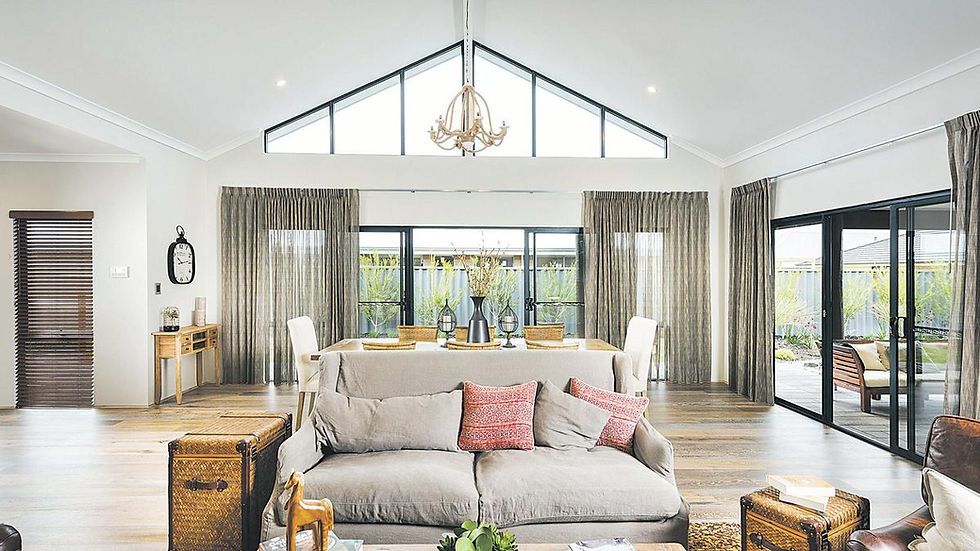
The home's architecture should also influence the creative direction. Existing wood features, stone, fireplaces, windows, and ceiling details can all provide inspiration for the interior.
Start With the Space You Already Have
Every room presents different opportunities and limitations. Instead of trying to force a particular style into a space, creative planning begins with understanding its proportions, architectural features, natural light, and intended use.
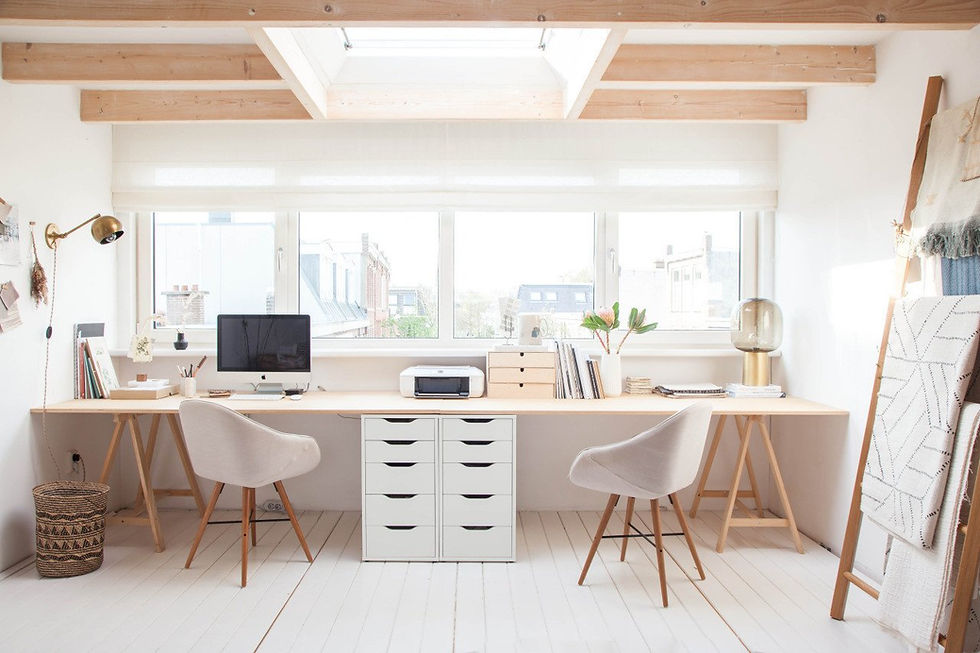
Furniture placement can be reconsidered to create better movement and more comfortable gathering areas. Underused corners may become reading areas, storage zones, or decorative focal points.
A floor plan can help visualize these possibilities before major selections are made. This allows design ideas to develop around the actual space rather than relying only on inspiration images.
Experiment With Color and Texture
Color and texture provide some of the simplest ways to give an interior a distinctive identity.
A neutral foundation can be layered with richer fabrics, natural materials, artwork, rugs, and accessories. Alternatively, carefully selected colors can introduce contrast and create a stronger visual focal point.
Texture is equally important. Wood, stone, upholstery, woven materials, soft fabrics, and decorative finishes can work together to create depth.
For mountain homes, natural textures can reinforce the relationship between the interior and surrounding landscape while contemporary accents keep the design feeling fresh.
Give Furniture a More Important Role
Furniture is not simply something that fills an empty room. It can establish the layout, influence movement, create focal points, and determine how people interact with a space.
A comfortable sofa can anchor a living room, while accent chairs can create additional seating and visual balance. A carefully selected dining table can become a natural gathering point, while bedroom furniture can contribute to a calm and comfortable atmosphere.
Selecting pieces according to scale, proportion, function, and style helps ensure that creative choices remain practical.
Use Lighting to Highlight the Design
Lighting can change the way colors, textures, furniture, and architectural details are experienced.
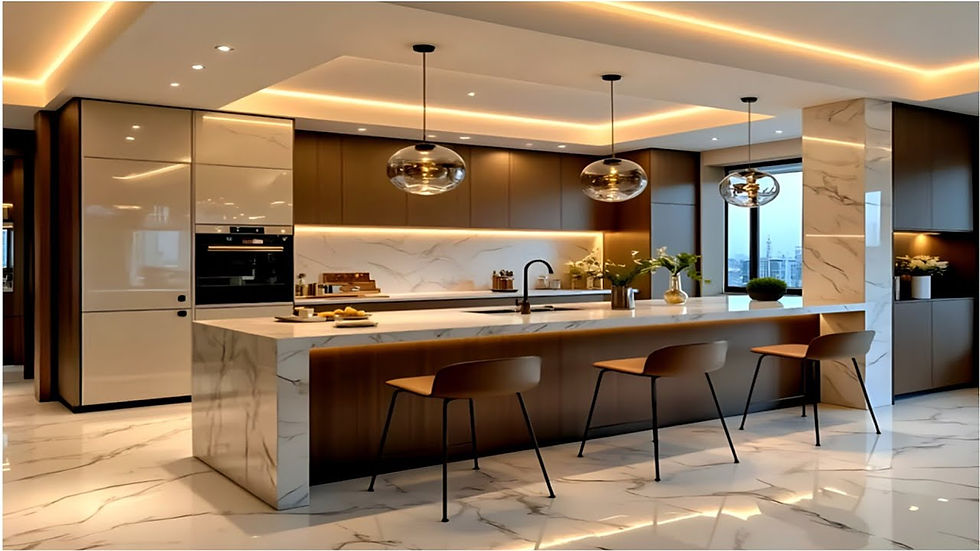
Different types of lighting can serve different purposes. General lighting provides overall illumination, task lighting supports specific activities, and accent lighting can draw attention to selected features.
A creative lighting plan can also help establish atmosphere. Warm, carefully positioned lighting can make a mountain interior feel more inviting during the evening while highlighting materials and decorative details.
Natural light should be considered alongside artificial lighting when planning the room.
Create Connections Between Different Rooms
A creative home does not need every room to look identical. In fact, allowing individual spaces to have their own character can make the property feel more personal.
However, repeating selected colors, materials, finishes, or design details can establish a visual connection between rooms.
For example, natural wood or a particular accent color might appear in the living room, kitchen, and bedroom in different ways. This creates continuity without making the entire property feel repetitive.
Personalize the Details
Small details can often have a significant effect on the character of a room.
Artwork, accessories, rugs, pillows, window treatments, decorative objects, and other finishing touches can introduce personality and help a space feel complete.
These selections should relate to the overall design rather than being added randomly. A thoughtful combination can tell a story about the homeowner's preferences while complementing the property's architecture.
At McKnight Interiors, the goal is to create interiors that feel personal rather than following a one-size-fits-all formula.
A Collaborative Creative Process
McKnight Interiors begins residential design projects by understanding the homeowner's goals, lifestyle, preferences, and functional requirements.
The process can include:
Consultation: Discuss your ideas, priorities, and the way you want to use the space.
Planning: Review the room's layout, architectural features, furniture requirements, and overall direction.
Concept Development: Bring colors, textures, furnishings, lighting, and accessories together into a cohesive concept.
Selections: Identify appropriate furniture, finishes, accessories, and other design elements.
Implementation Support: Coordinate with relevant professionals and vendors when required.
Follow-Up: Continue providing support according to the selected service.
Founder and designer Kellie has formal design education from the New York Institute of Art and Design and experience with space, lighting, color, textures, and furniture. As a Lake Arrowhead resident, she also understands the character of mountain properties and works with local professionals involved in residential projects.
Frequently Asked Questions
What makes an interior design approach creative?
Creative design considers the property's architecture, the client's personality, and practical requirements while finding thoughtful ways to combine furniture, color, texture, lighting, and accessories.
Does creative design have to be expensive?
Not necessarily. Creativity can come from space planning, color combinations, furniture placement, lighting, and the thoughtful use of existing pieces.
Can existing furniture be incorporated?
Yes. Existing furniture can be evaluated and incorporated when it works with the planned design and functional requirements.
Can you design individual rooms?
Yes. McKnight Interiors can work on individual rooms as well as larger residential projects.
Do you offer remote design support?
Yes. E-Design provides an online option for clients who need professional design guidance remotely.
Make Your Home Feel Uniquely Yours
Your home does not need to follow a predictable formula to feel polished and inviting. Thoughtful Creative Interior Design Sol can bring together practical planning and distinctive design ideas to create spaces that reflect your personality while supporting everyday living. McKnight Interiors combines design expertise, mountain-home knowledge, and a collaborative approach to develop personalized residential interiors. Contact us to discuss your space and explore ideas for creating a home with greater character and individuality.
Comments